

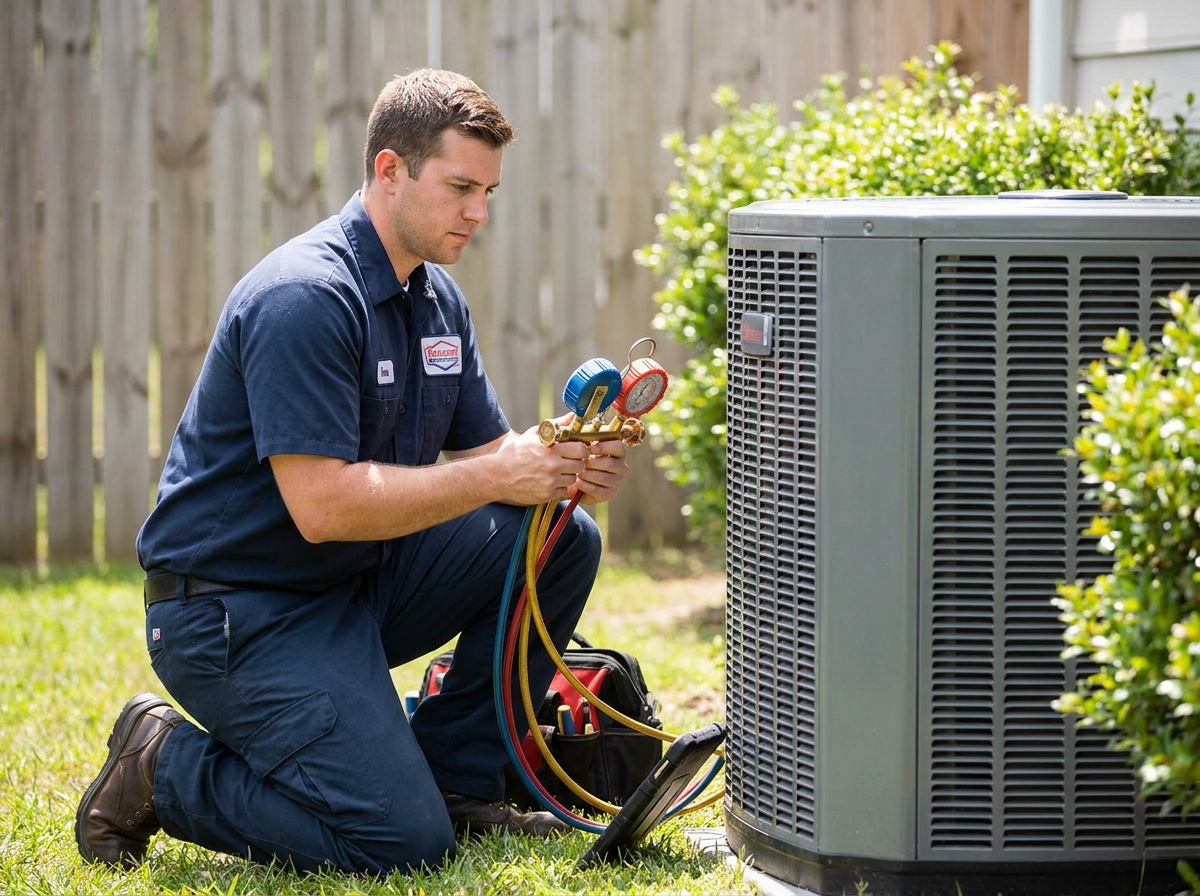
Most experienced HVAC technicians in the U.S. earn roughly $55,000 to $75,000 per year, with entry-level and apprentice techs starting around $38,000–$50,000 and senior or lead technicians reaching $70,000 to $90,000+. HVAC business owners have the highest ceiling — commonly $90,000 to $200,000+ — because they capture profit on top of labor. HVAC techs are in steady, year-round demand, and pay grows quickly with experience, EPA certification, and specialization. Here's the full breakdown and how to earn more in the trade.
About these figures
These are approximate U.S. ranges for general guidance and vary by location, employer, specialty, and certifications. For exact, current figures, check the U.S. Bureau of Labor Statistics (BLS) and local wage data for your area.
HVAC technician salary by experience level
| Experience level | Typical annual range (approx.) | What it covers |
|---|---|---|
| Apprentice / entry-level tech | $38,000 – $50,000 | Learning, building experience and certs |
| Experienced HVAC technician | $55,000 – $75,000 | EPA-certified, works independently |
| Senior / lead technician | $70,000 – $90,000+ | Leads jobs, mentors, complex systems |
| HVAC contractor / owner | $90,000 – $200,000+ | Runs the business, keeps the profit |
Entry-level techs start while building experience and certifications. Experienced and lead technicians — especially those with EPA 608 certification, NATE credentials, and specialized skills — earn significantly more. HVAC business owners have the highest ceiling, capturing business profit on top of the value of their own labor.
HVAC tech hourly pay by experience
HVAC technicians are usually paid hourly, and the annual ranges above translate to roughly these base rates. Seasonal overtime in peak cooling and heating months, plus on-call premiums, can push effective annual pay well above the base.
| Level | Typical hourly (approx.) |
|---|---|
| Entry-level / apprentice | $18 – $24 |
| Experienced tech | $26 – $36 |
| Senior / lead | $34 – $45+ |
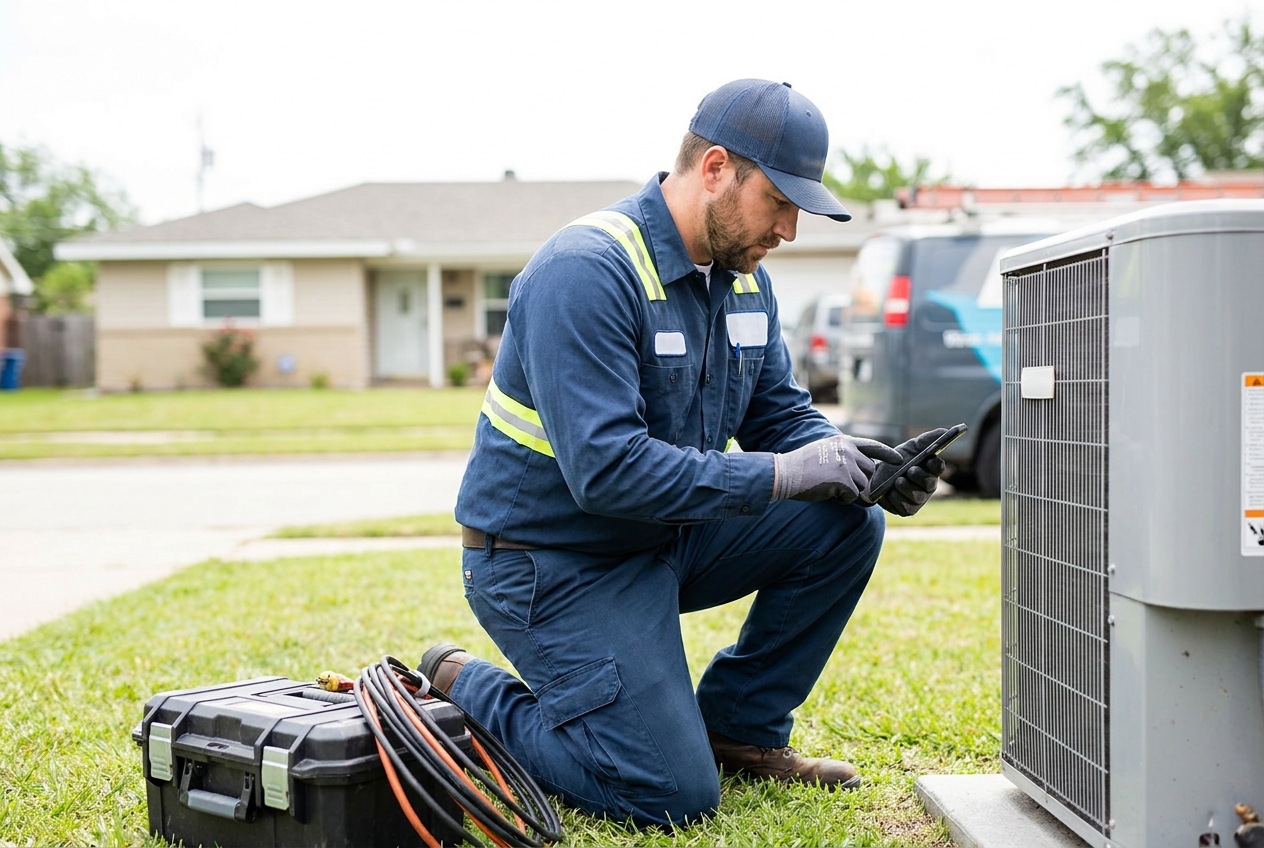
What affects an HVAC tech's salary
- Certifications: EPA 608 (required for refrigerants) and NATE certification raise earning potential.
- Experience and lead responsibility — running jobs and mentoring techs increases pay.
- Location: wages track local demand and cost of living; hot- and cold-climate metros pay more.
- Specialty: commercial and industrial HVAC, refrigeration, and controls often pay a premium over residential.
- Seasonal overtime: peak summer and winter months can add substantial overtime pay.
- On-call and emergency work: after-hours service calls carry premium rates.
- Sales ability: techs who sell maintenance plans and replacements often earn commission on top of wages.
- Business ownership: running a shop changes the earning equation entirely.
Which HVAC specialties pay the most?
Residential service and installation is the most common path. Commercial HVAC — rooftop units, chillers, and large mechanical systems — typically pays more due to complexity. Commercial refrigeration techs (supermarkets, cold storage) and controls/building-automation specialists are among the highest paid, as are technicians who can both diagnose and sell. Adding refrigeration and controls skills is one of the most reliable ways to jump a pay band.
How HVAC techs can earn more
- Earn and stack certifications — EPA 608 Universal and NATE first, then specialized credentials.
- Develop commercial, refrigeration, or controls skills.
- Move into a lead or service-manager role.
- Build sales skills so you earn commission on maintenance plans and replacements.
- Take on seasonal overtime and on-call rotations for the premiums.
- Eventually start your own HVAC business — the highest-income path.
HVAC pay by region and climate
HVAC pay tracks both cost of living and climate. Hot-summer and cold-winter regions generate constant demand for cooling and heating service, which keeps technicians busy and wages firm year-round. High-cost metros pay the most in absolute dollars, while lower-cost areas pay less nominally but can offer a better real standard of living. When comparing roles, weigh the base wage against expected overtime (which is substantial in peak season), on-call premiums, commission opportunities, benefits, and cost of living rather than the headline number alone.
Demand is the other lever. New construction, the shift toward heat pumps and high-efficiency systems, aging equipment that needs replacement, and a shortage of trained techs all push HVAC wages up. Markets with strong growth or a tight labor pool reward certified, experienced technicians with higher pay and more negotiating leverage.
Employee vs. business owner: the real income gap
The largest jump in HVAC earnings comes from ownership. An employed senior tech earns a strong wage for their hours; an owner earns profit on every job the team completes, plus the value of their own labor. A well-run HVAC company with a few techs and a healthy book of maintenance agreements can generate owner income well into six figures. But the income is only as good as the operation: an owner who can't quote profitably, schedule efficiently, sell maintenance plans, or collect promptly will earn less than a disciplined employee. Profit in HVAC is driven by systems and recurring revenue, not just billable hours.
Frequently asked questions
Do HVAC techs make good money?
Yes. HVAC technicians earn above the median for all occupations, with steady year-round demand, abundant overtime in peak seasons, and strong pay growth as they add certifications and move into commercial or lead roles. Owners can earn considerably more.
How do I become an HVAC technician?
Most techs complete a trade-school program or apprenticeship, earn EPA Section 608 certification (required to handle refrigerants), and build field experience. NATE certification and specialized credentials in refrigeration or controls then open higher pay bands.
What's the highest-paying HVAC job?
Among employees, commercial refrigeration techs, controls/building-automation specialists, and senior commercial technicians earn the most. Overall, owning a profitable HVAC business has the highest ceiling.
Turn your skill into higher income
Stacking certifications, moving into commercial or lead roles, and eventually running your own business are the biggest levers on HVAC earnings. Profitable HVAC companies win on systems — selling maintenance agreements, presenting 'good, better, best' options, dispatching efficiently, and getting paid fast. Service Storm is HVAC software that runs estimating, scheduling, dispatch, maintenance contracts, invoicing, and payments in one platform, so owners convert technical skill into a higher, more reliable income.
Built for HVAC businesses
See how Service Storm helps HVAC owners schedule, quote, and get paid faster.
See HVAC softwareThe bottom line
HVAC offers strong, year-round pay that climbs steadily with experience and certifications. The top earners stack credentials, specialize in commercial or refrigeration work, build sales ability, and — for many — own a business where they keep the profit on every job. Your income tracks your certifications, your specialty, and how well the work is run.
Run your whole service business in one platform
From lead to ledger — scheduling, dispatch, invoicing, and payments in a single tool built for the trades.
No credit card required